




In 2026, teaching has become increasingly challenging. Although technology has significantly transformed education, it has also introduced new obstacles that educators must navigate. Digital access, once regarded as a valuable tool for learning, now frequently serves as a source of distraction within the classroom.
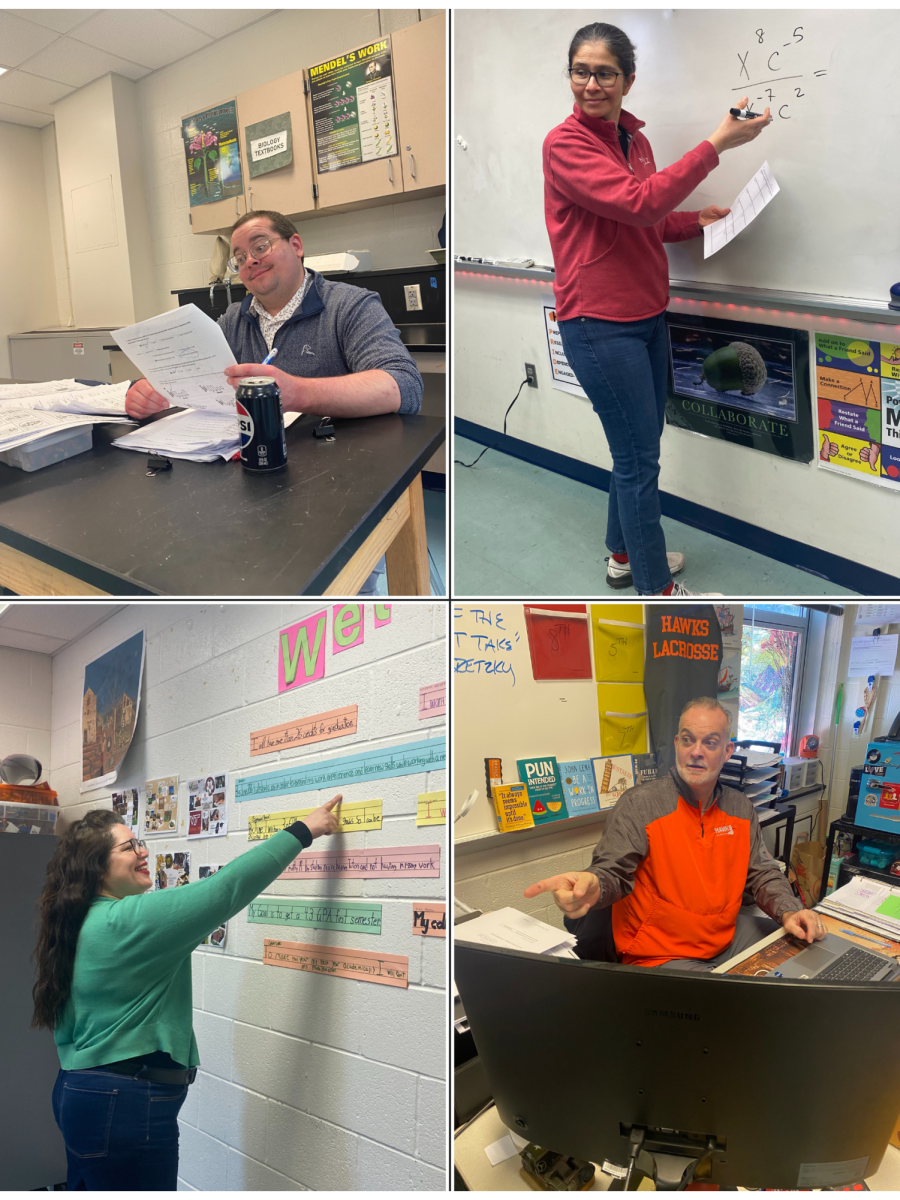
“The attention span is just getting shorter and shorter,” math teacher Monica Pena said. “They’re using it for like dumb stuff, like looking up Amazon.”
Teaching today is a comprehensive and demanding responsibility that requires considerable effort and dedication. It is not a profession suited for everyone. The expectations placed on educators are high, and the stress associated with the role continues to grow.
“If you’re not super passionate about teaching or about working with youth, I would say probably find something different because it is getting more and more stressful,” Pena said.
Another major challenge teachers say they are facing is the lasting academic impact of the COVID‑19 pandemic. Even years later, the effects continue to show up in classrooms across grade levels.
“The hardest part is COVID’s lingering impact, such as shifting standards and gaps in reading and math skills,” biology teacher Daniel Gick said. “Students are bright and hardworking, but core writing and research skills aren’t where they should be.”
Many educators believe the solution starts with rethinking how schools structure academic expectations. Several suggest bringing back consistent standards and increasing work levels earlier in students’ school experience.
“Start academic rigor earlier,” Gick said. “Put 6th grade in middle school and bring back consistent expectations.”
But academic difficulties aren’t the only issues teachers are noticing. Many say that students’ social and emotional challenges have become just as significant, and sometimes even more disruptive than academic ones. James Mercer, psychology and sociology teacher, explained that the changes he has witnessed over the years have reshaped what it means to teach.
“There’s an ideal view of the way classes should be taught, and then there’s the actual view of how classes are taught,” Mercer said. “They tell you your class sizes will never be more than 24 students, and yet I’ve never had a class more than 24. Usually, it’s anywhere from 27 to 32.”
He added that shifts in student maturity have also played a major role in today’s classroom environment.
“The maturity level in the United States has been dropping and dropping,” Mercer said. “Some people believe it’s because of social media. Covid definitely didn’t help because it really stopped the social growth of several ages of students.”
In addition to social, emotional, and academic challenges, teachers are also navigating the rapid growth of artificial intelligence in the classroom. Many educators say AI is becoming a powerful tool, but it also brings new problems that didn’t exist even a few years ago.
AVID teacher Marie Fernanda Garcia explained that while AI can support learning, it can also hold students back when it replaces real thinking rather than encouraging it.
“The danger with AI is that you don’t actually do the thinking and learning on your own,” Garcia said. “The computer’s doing it for you, and you’re just writing what the computer says to write or say or do.”
At the same time, teachers are being pushed to adapt faster than ever, not just to AI but to constant shifts in curriculum, student needs, and school expectations.
“2026 is about keeping up,” Garcia said. “And that’s just a lot of extra work for us.”
For many educators, the challenge now is finding a balance: using new technology without letting it replace essential learning, supporting students academically and emotionally, and keeping up with a world that is changing faster than the school system can update. Yet despite the difficulty, many teachers remain committed hoping schools will continue evolving to meet the needs of students in a rapidly changing era.